

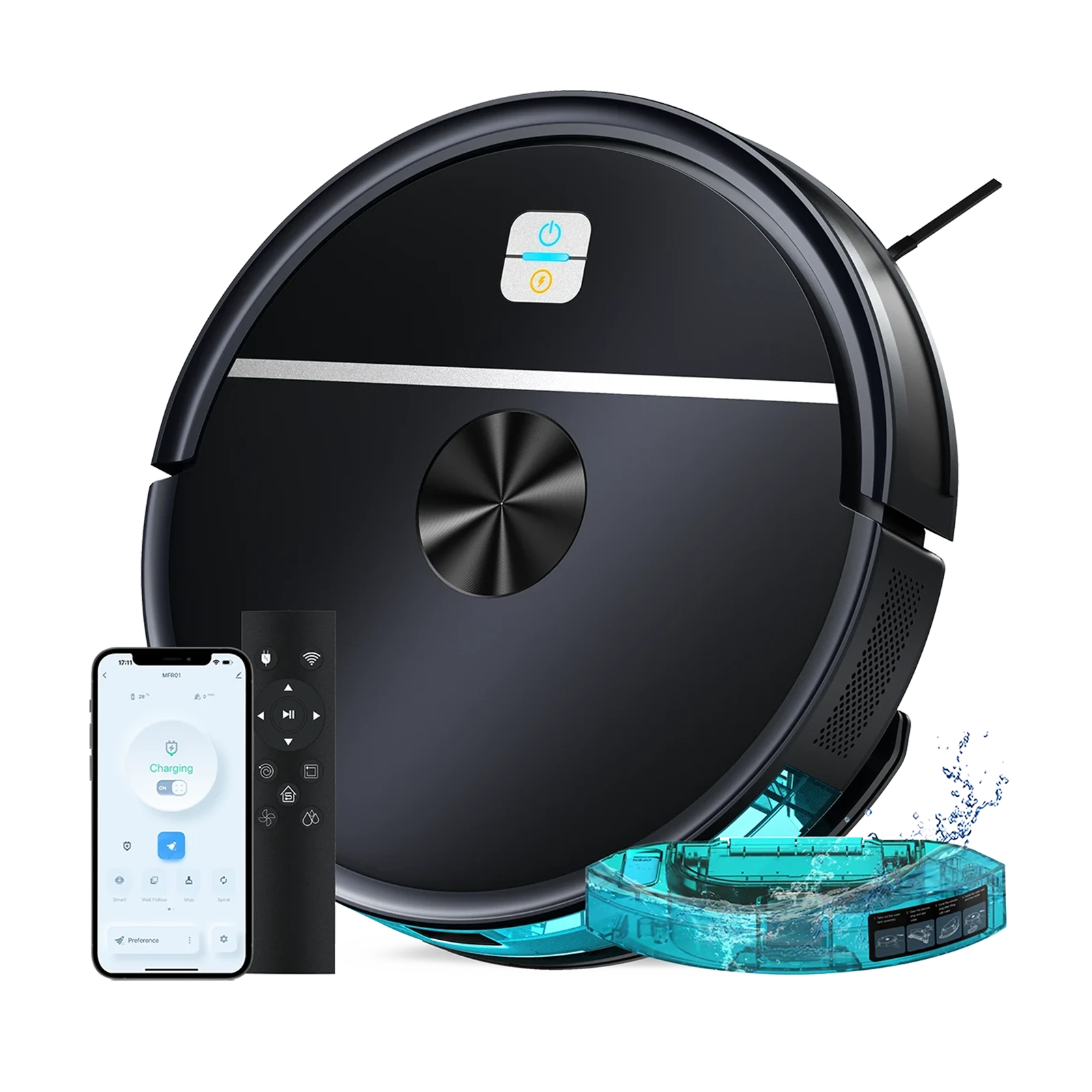
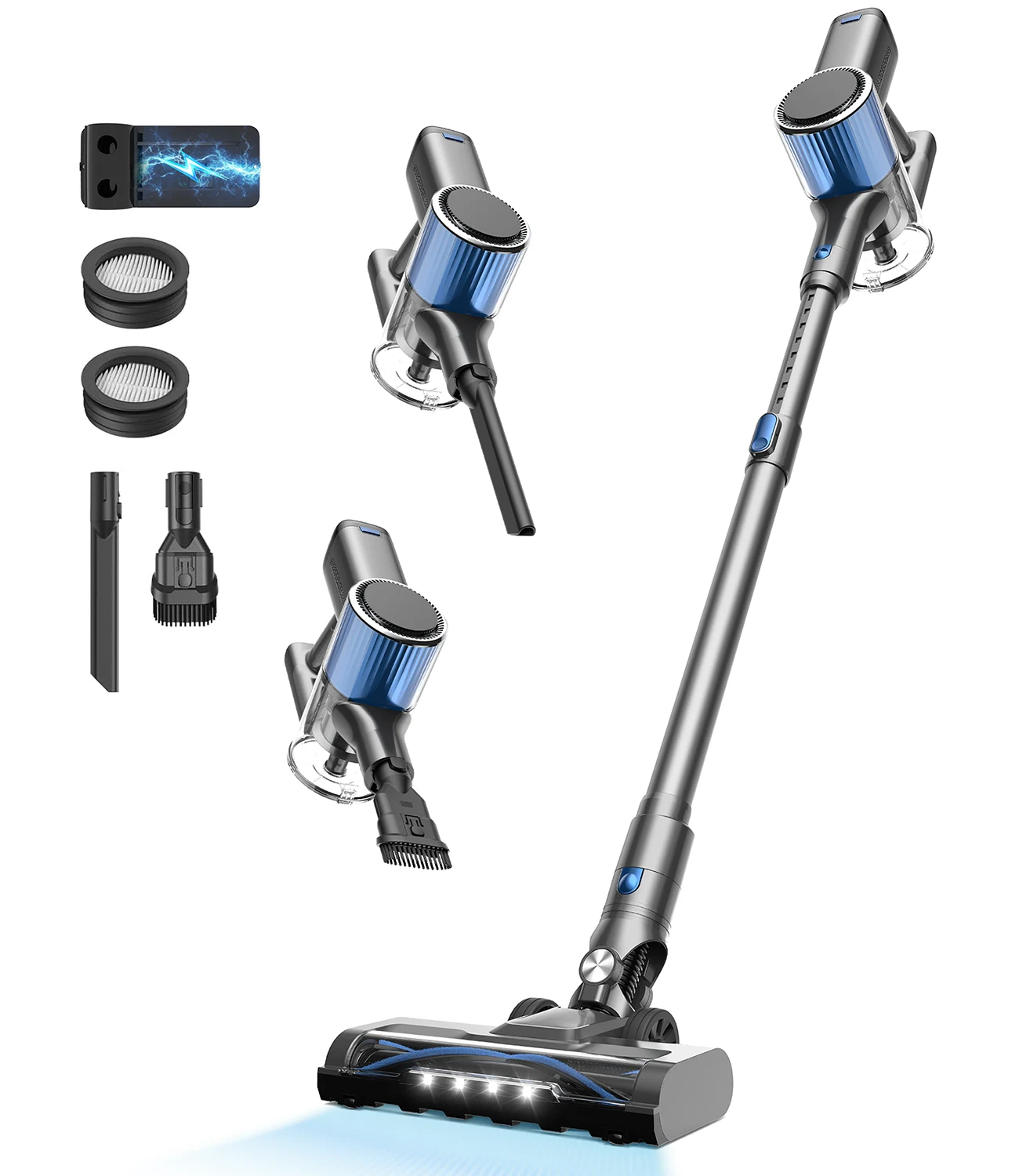
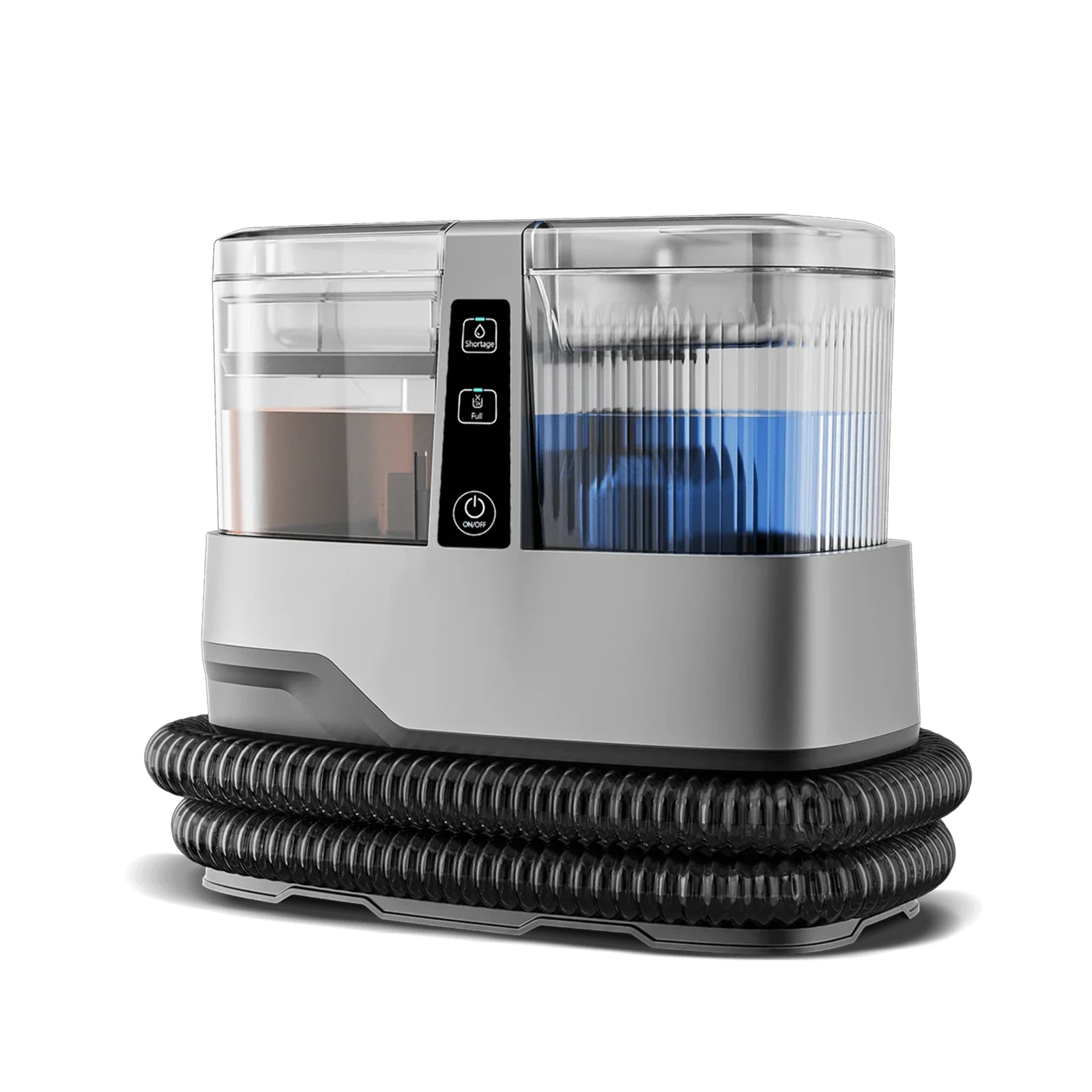
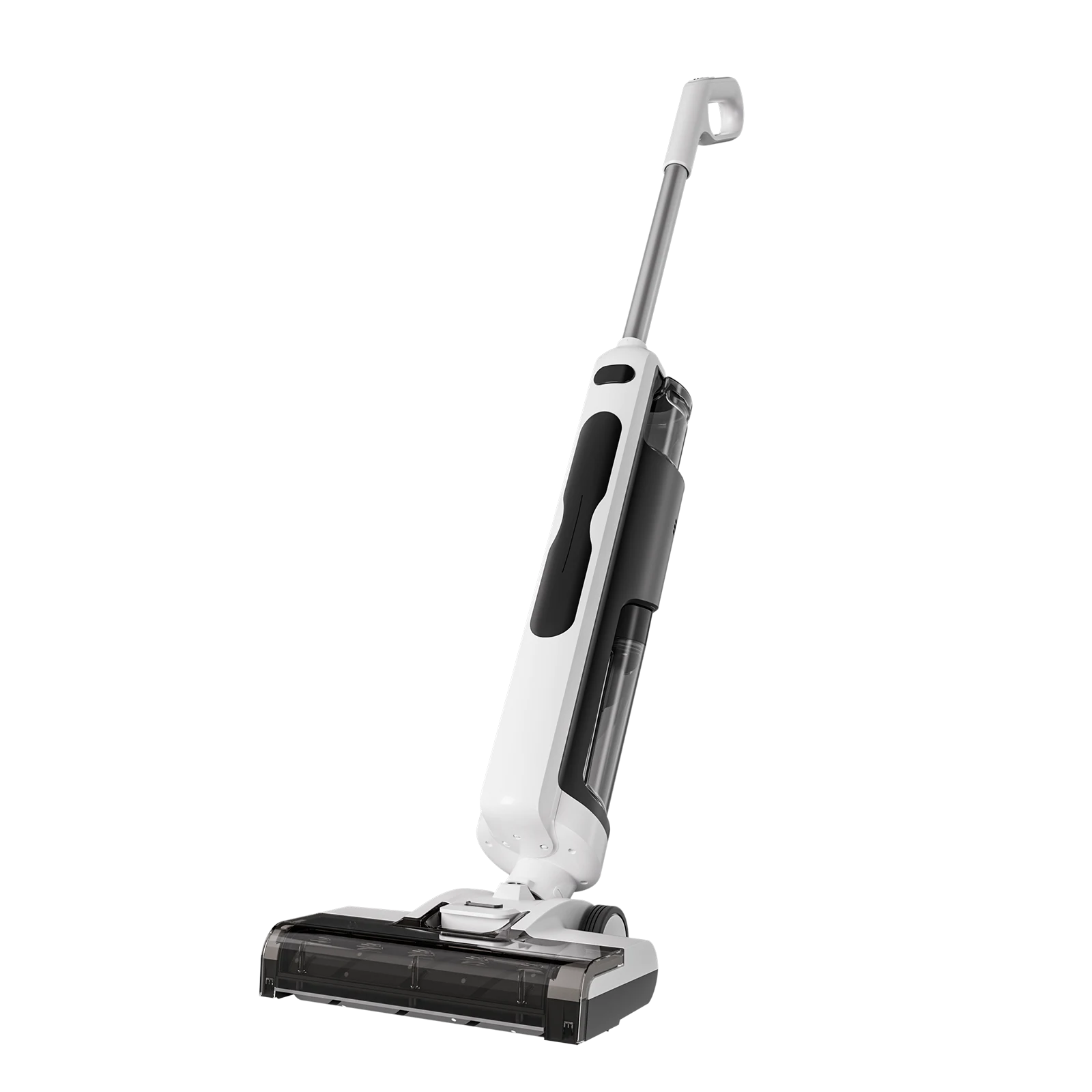

| With the number of global pet households exceeding 800 million and the penetration rate of smart homes continuing to increase, the cleaning robot industry is undergoing a transformation from “tool devices” to “intelligent solutions,” with technological innovation and segmented market demands becoming dual engines.

According to the latest industry data, the smart cleaning robot market continues to expand. The global robotic vacuum cleaner market reached RMB billions in scale in 2024 and is expected to maintain significant growth through 2030. Particularly outstanding is the pet smart products track, with the global smart pet equipment market expected to reach $12.47 billion in 2025, with a compound annual growth rate of 13.87%.
1. Overall Market Size and Growth Drivers
China’s smart home market is expected to ship 281 million units in 2025, a year-on-year increase of 7.8%. As an important component of smart homes, the growth of cleaning robots benefits from multiple factors:
-
Policy Support: China’s 2024 “replace old with new” policy and subsidies for green and smart products have driven the market toward high-end and intelligent transformation
-
Consumption Upgrade: The rise of the pet economy is an important driver. 67% of pet owners consider pet hair cleaning as their main pain point
-
Declining Technology Costs: Reduced costs of sensors and lithium-ion batteries have made advanced technologies like LIDAR navigation popular in mid-range models
2. Technology Evolution: From Automation to Intelligence
The technological development of cleaning robots has gone beyond basic vacuuming functions and is evolving toward comprehensive intelligent cleaning systems.
Navigation and Perception Upgrade: LIDAR navigation has become the mainstream configuration for mid-to-high-end models, accounting for 53%. Multi-sensor fusion is the cutting-edge trend, aiming to achieve more accurate obstacle avoidance, mapping and scene recognition.
AI and Ecosystem Connectivity: Leading manufacturers are committed to developing vertical AI large models for homes. Cleaning robots are no longer standalone tools but organic components of the smart home ecosystem.
3. Segmented Market Opportunities: Pet Households and High-end Customization
Market segmentation is becoming increasingly evident, bringing new growth points.
Pet Household Market: This is a rapidly growing market segment with huge potential. Pet owners have higher requirements for cleaning efficiency, hair handling, and allergen removal.
Commercial Cleaning Market: The global commercial vacuum cleaning robot market sales reached $150 million in 2024 and is expected to reach $389 million by 2031.
4. Competitive Landscape and Challenges
The market competition is intense with high concentration. In 2025, the top three brands together account for 50%-65% of unit market share.
The main challenges include:
-
Connectivity and Data Security: Protocol compatibility between different brands and ecosystems remains an industry pain point
-
User Experience and Reliability: About 20% of user complaints involve incomplete cleaning coverage or charging failure issues
-
Homogenization Competition and Overseas Barriers: Chinese brands face challenges such as product homogenization and compliance barriers in European and American markets
5. Future Outlook: Active Intelligence and Ecosystem Integration
Future smart cleaning robots will be more deeply integrated into the smart home ecosystem, with development trends including:
Seamless Interaction and Active Service: Devices can more accurately predict user needs through multi-modal perception and AI learning.
Age-friendly and Inclusive Design: The user base of the smart home industry is further expanding, with concepts of age-pet adaptation and disability care continuing to emerge.
Sustainable Development: High efficiency and energy saving remain core considerations for manufacturers and consumers.

Conclusion
The smart cleaning robot industry in 2025 is moving toward a new stage with more advanced technology, more segmented markets, and smarter experiences. Pet economy, technological progress, and consumption upgrade will continue to drive market growth.
For manufacturers, the key to future competition lies in: whether they can solve user pain points through genuine technological innovation, break ecosystem barriers to achieve broader connectivity, and create unique brand value in the fierce market competition.